

by Mujeeb Patla
The Problem: Generational Friction at Work
Organizations today are increasingly defined by generational diversity. From Generation X to Millennials, Generation Z, and even the emerging Generation Alpha, workplaces are navigating a complex mix of values, communication styles, and expectations.
The narrative is familiar:
- “Younger employees lack commitment.”
- “Older employees resist change.”
- “Communication gaps are widening.”
Despite investments in training and policies, many organizations continue to struggle with alignment across generations.
But what if the solution lies not in corporate frameworks, but in human fundamentals?
A Three-Day Experiment in Extreme Diversity
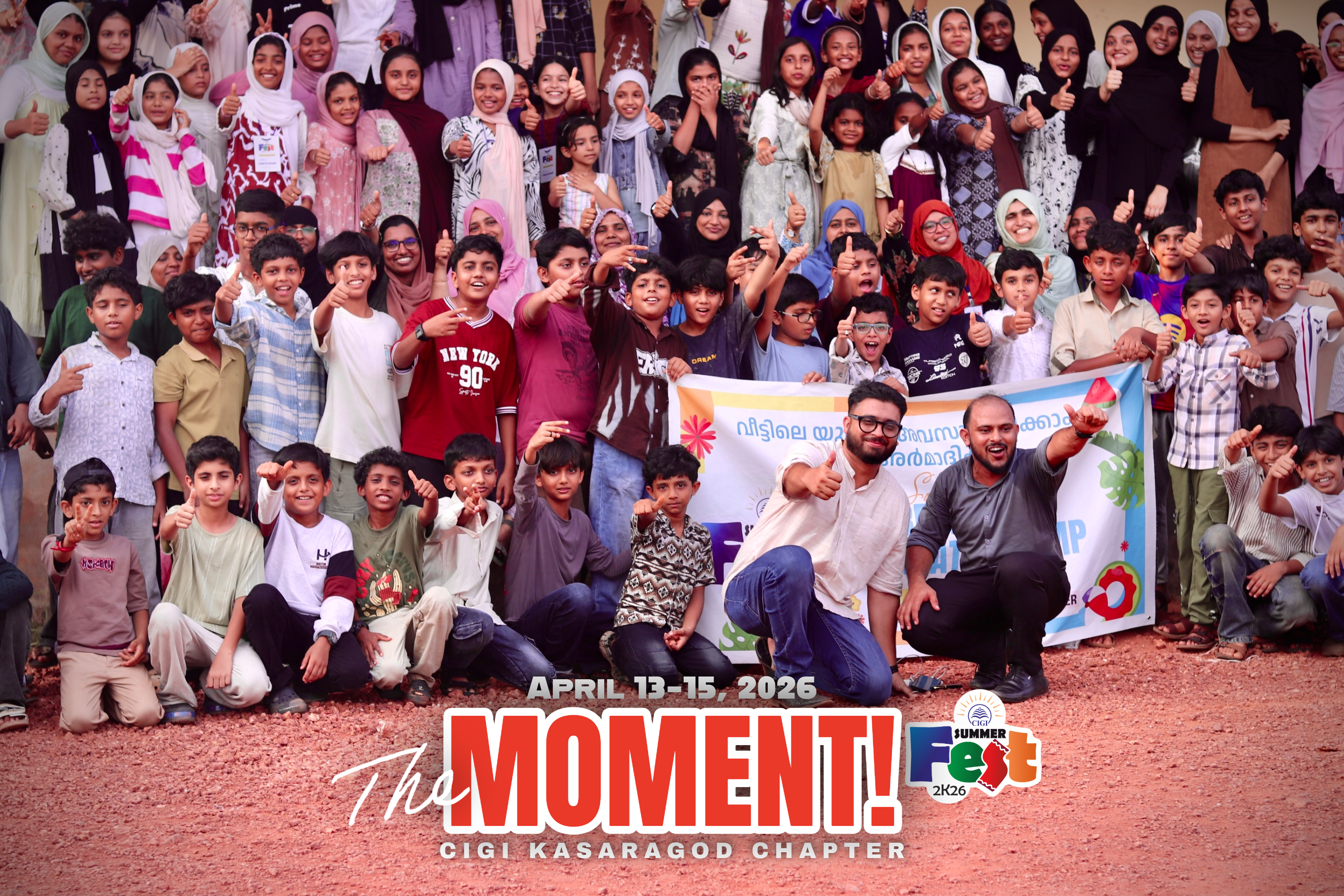
In April 2026, a three-day residential summer camp brought together 111 students and 20 faculty members and mentors. Participants spanned multiple generations—educators from older cohorts working alongside young learners from Gen Z and Gen Alpha.
The environment was intense:
- High temperatures
- Packed schedules
- Emotional and physical fatigue
- Continuous collaboration
There were moments of stress, breakdowns, and testing situations. Yet, by the end of the third day, the group had not only endured—but bonded.
What emerged was not fragmentation, but unity.
From Generations to “Gen US”
Despite the diversity in age, mindset, and roles, participants did not operate as separate generational silos. Instead, they functioned as a single, cohesive unit—what can be described as “Gen US.”
This was not accidental. It was the outcome of specific behavioral dynamics that replaced friction with cohesion.
Three Principles That Bridged the Divide
1. Patience Over Assumption
In many workplaces, generational conflict is fueled by quick judgments:
- Interpreting silence as disengagement
- Viewing questions as incompetence
- Mistaking speed for carelessness
At the camp, participants were forced into continuous interaction. Assumptions quickly broke down under the weight of real human engagement. Patience created space for understanding.
Corporate Insight:
Organizations must shift from labeling behavior to understanding context. Patience is not passive—it is a strategic capability.
2. Gratitude Over Ego
In hierarchical systems, recognition often flows top-down. At the camp, however, every role—student, mentor, organizer—was visibly critical to the collective experience.
Gratitude became a shared currency:
- Students appreciated mentorship
- Mentors acknowledged student energy and adaptability
- Teams recognized interdependence
Corporate Insight:
When gratitude replaces entitlement, collaboration strengthens. Leaders must institutionalize appreciation—not as a ritual, but as a cultural norm.
3. Mutual Respect Over Authority
Perhaps the most powerful shift was the reversal of traditional learning flows.
While faculty and mentors were responsible for teaching, they found themselves learning just as much from the students—about adaptability, curiosity, and new ways of thinking.
Authority did not disappear—but it evolved.
Corporate Insight:
Respect must be decoupled from hierarchy. In multigenerational teams, influence should be fluid, not fixed.
Why Corporate Efforts Often Fail
Most organizational interventions focus on surface-level solutions:
- Generational sensitivity training
- Communication workshops
- Policy adjustments
While useful, these approaches often fail because they treat symptoms rather than root causes.
The camp experience suggests that the real issue is not generational difference—but lack of shared human experience.
Without environments that encourage:
- Vulnerability
- Collaboration under pressure
- Mutual dependence
Generational stereotypes persist.
Designing for “Gen US” in Organizations
To replicate this cohesion, organizations should focus on designing experiences—not just policies.
1. Create Shared Challenges
Cross-generational teams should work on high-stakes, time-bound projects that require interdependence.
2. Encourage Reverse Learning
Formalize opportunities where younger employees teach senior staff (e.g., digital fluency, cultural trends).
3. Build Recognition Ecosystems
Enable peer-to-peer appreciation systems that cut across hierarchy and age groups.
4. Foster Psychological Safety
Create environments where individuals can express uncertainty without fear of judgment.
The Leadership Imperative
Leaders play a critical role in shifting from “multi-generational management” to “unified culture building.”
This requires:
- Modeling patience in decision-making
- Practicing visible gratitude
- Demonstrating respect across all levels
Leadership is no longer about managing differences—it is about integrating them.
Let’s Conclude: From Divide to Design
The experience of a three-day camp in Kasaragod offers a compelling insight for modern organizations:
Generational divides are not inevitable. They are often the result of poorly designed interactions.
When people are placed in environments that prioritize patience, gratitude, and mutual respect, generational identities fade—and collective identity emerges.
In a world obsessed with defining generations, perhaps the real opportunity lies in redefining them.
Not as Gen X, Millennials, Gen Z, or Gen Alpha.
But as Gen US.

 Mujeeb Patla™