

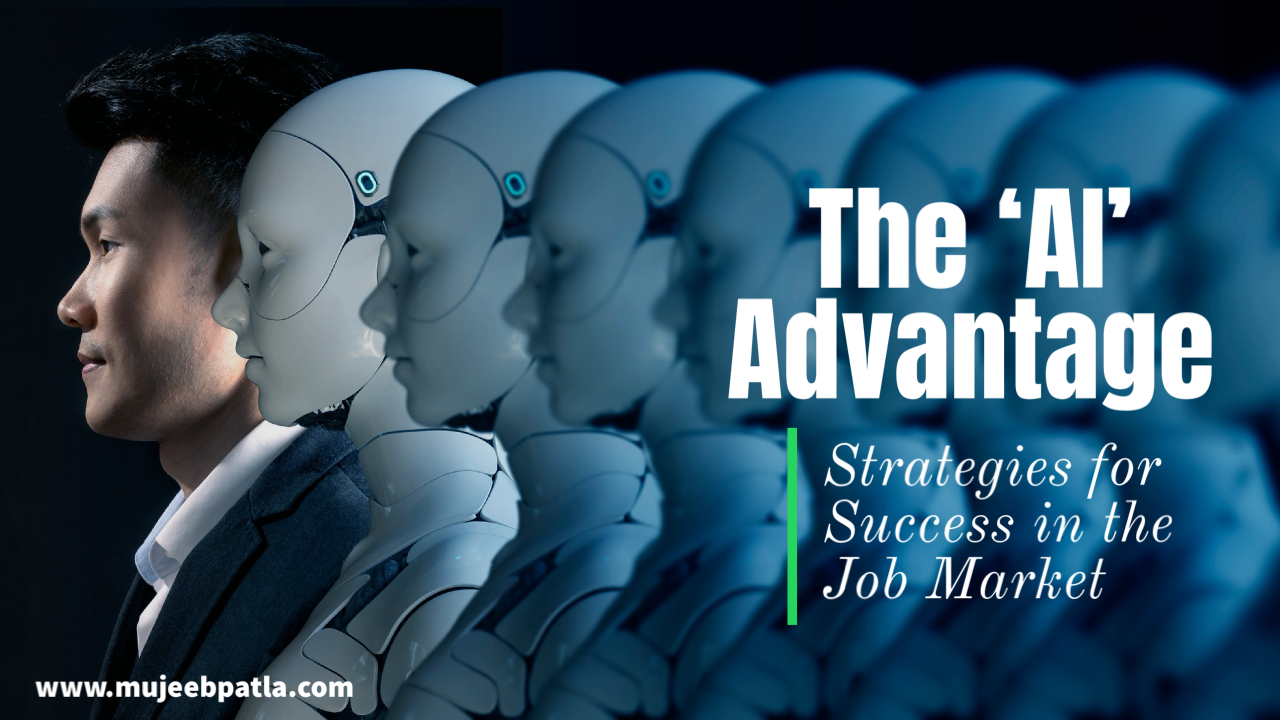
The impact of Artificial Intelligence (AI) on the job market cannot be overstated. As AI continues to advance, its influence permeates through various industries, reshaping the nature of work and leading to the creation of new job roles while transforming existing ones. Job seekers and individuals entering the workforce must possess a comprehensive understanding of how AI is redefining career trajectories. This knowledge equips them to make informed decisions and remain competitive in an ever-changing environment.
One of the key aspects of AI’s influence is its ability to automate repetitive tasks, leading to increased efficiency and productivity across different professions. However, this also brings about the need for individuals to adapt and acquire new skills to complement AI technologies. Embracing this change involves developing a growth mindset and being open to continuous learning and upskilling. This comprehensive guide aims to provide insights into the evolving job landscape, shedding light on the ways in which AI intersects with various professions and sectors.
In the face of these dynamic changes, it is crucial for individuals to not only adapt to the impact of AI but also to thrive within this evolving environment. By delving into the intricacies of AI’s influence, individuals can equip themselves with the knowledge and tools necessary to navigate the job market with confidence and resilience. This involves leveraging AI as a tool to enhance creativity, problem-solving, and critical thinking skills, areas where human expertise complements AI capabilities.
Furthermore, understanding the ethical implications of AI and its impact on society is essential as individuals prepare for the future of work. By addressing these ethical considerations and actively shaping the integration of AI in the workforce, individuals can contribute to creating a balanced and equitable employment landscape.
In conclusion, this comprehensive guide serves as a roadmap for individuals to not only comprehend the impact of AI on their careers but also to embrace the opportunities that arise from this technological advancement. It empowers individuals to proactively adapt to the evolving job market, leverage the capabilities of AI, and chart out successful career paths in the era of AI transformation.
1. Evolution of Job Roles:
AI integration is reshaping traditional job roles across industries. Tasks that are repetitive and rule-based are increasingly being automated, leading to the transformation of job responsibilities. For instance, in fields like customer service, administrative tasks, and data entry, AI-powered chatbots and automation tools are becoming commonplace, reducing the need for human intervention in routine tasks.
Advice: Stay adaptable and open to learning new skills. Embrace opportunities to upskill or reskill yourself in areas that complement AI technologies, such as data analysis, programming, or machine learning. Seek out courses, certifications, or workshops to enhance your proficiency in these domains.
2. Enhanced Efficiency and Productivity:
AI-driven tools and algorithms can significantly enhance efficiency and productivity in the workplace by streamlining processes, analyzing large datasets, and providing actionable insights. As a result, organizations are increasingly looking for candidates who are proficient in leveraging AI technologies to drive business outcomes.
Advice: Familiarize yourself with AI tools relevant to your industry or desired field. Stay updated on the latest advancements and trends in AI technology through industry publications, online courses, and professional networking. Highlight any experience or proficiency with AI tools on your resume to stand out to potential employers.
3. Creation of New Job Opportunities:
While AI may automate certain tasks, it also creates new job opportunities in emerging fields such as AI research, machine learning engineering, and AI ethics. These roles require specialized skills and expertise in developing, implementing, and maintaining AI systems, presenting exciting prospects for job seekers with a background in computer science, mathematics, or related fields.
Advice: Explore niche areas within AI that align with your interests and skills. Consider pursuing advanced education or certifications in specialized AI disciplines to enhance your credentials and marketability in these burgeoning fields. Networking with professionals already working in AI-related roles can provide valuable insights and career guidance.
4. Emphasis on Soft Skills:
While technical skills remain essential, the demand for soft skills such as creativity, critical thinking, emotional intelligence, and communication skills is on the rise. AI cannot replicate human creativity or empathy, making these skills invaluable in roles requiring complex problem-solving, collaboration, and customer interaction.
Advice: Develop and highlight your soft skills alongside technical competencies. Engage in activities that foster creativity, teamwork, and effective communication, such as participating in group projects, joining professional organizations, or taking on leadership roles. Showcase examples of how you’ve effectively applied soft skills in past experiences during job interviews or networking opportunities.
5. Ethical Considerations:
As AI becomes more pervasive in decision-making processes, concerns around bias, fairness, and ethical implications arise. Job seekers need to be aware of these ethical considerations and advocate for responsible AI practices within their organizations.
Advice: Stay informed about ethical guidelines and frameworks related to AI development and deployment. Participate in discussions, workshops, or training sessions focused on AI ethics and responsible AI practices. Demonstrate your commitment to ethical considerations during job interviews by addressing how you would navigate ethical dilemmas related to AI technologies.
The impact of AI on the job market cannot be overstated. It has brought about significant changes that present both challenges and opportunities for job seekers and fresh graduates alike. As automation and AI technologies continue to advance, certain traditional job roles may diminish, while new avenues for employment are created. It is essential for individuals to embrace these technological advancements and be proactive in upskilling themselves in areas that are relevant to the AI-driven landscape.
In addition to acquiring technical competencies, cultivating essential soft skills will also be crucial. Skills such as critical thinking, creativity, and emotional intelligence will become increasingly valuable as automation takes over routine tasks. Job seekers and fresh graduates should focus on developing these interpersonal abilities alongside their technical expertise to truly stand out in the job market.
Furthermore, ethical considerations are central to the responsible deployment of AI technologies. As individuals navigate their career paths, staying attuned to ethical implications and advocating for the responsible use of AI will be integral to shaping a sustainable and equitable future workforce. Businesses and organizations will also play a crucial role in promoting ethical AI practices, creating a positive impact on the job market and society as a whole.
As we look toward the future, adaptability and continuous learning will undoubtedly be key attributes for success in an AI-powered world. Job seekers and fresh graduates should approach their career journeys with a proactive mindset, understanding that the ability to adapt to new circumstances and a commitment to continuous learning will be essential for thriving amidst the evolving landscape of AI-powered industries. A strong focus on adaptability, continuous learning, and ethical considerations will pave the way for a sustainable and inclusive job market in the era of AI.

 Mujeeb Patla™