

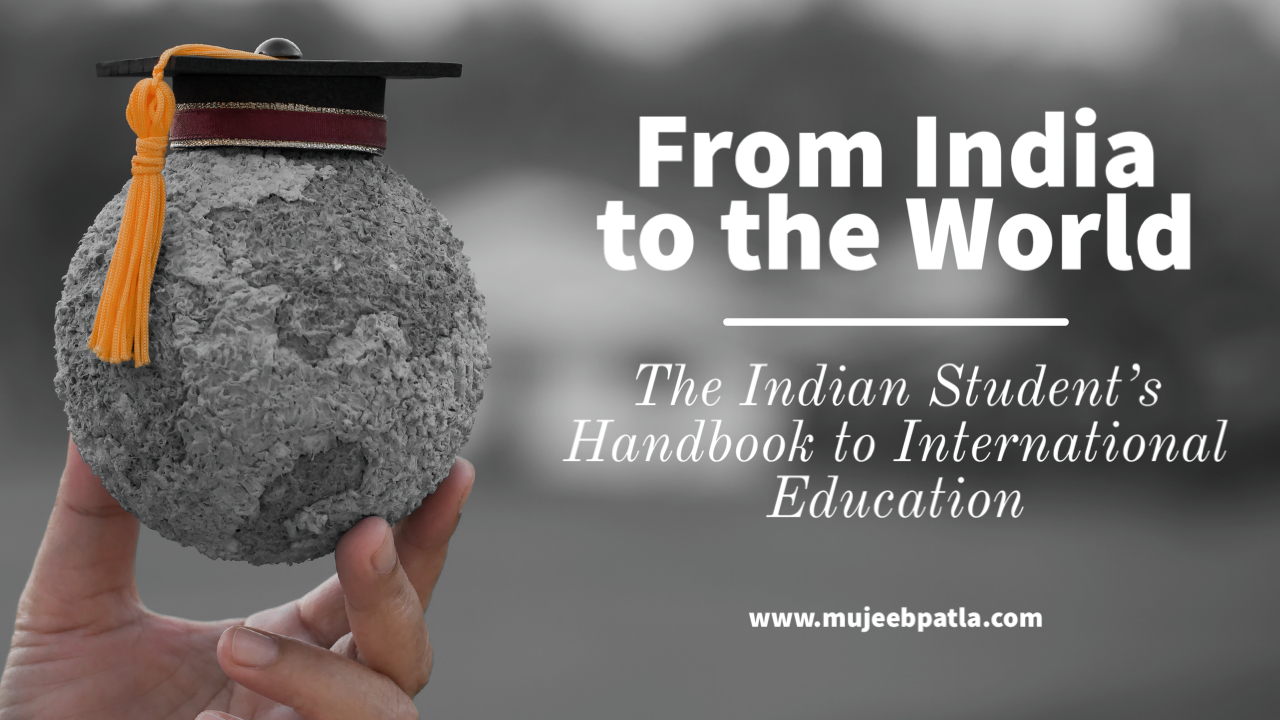
Studying abroad can be a life-changing experience, offering students the opportunity to explore new horizons, immerse themselves in diverse cultures, and gain a world-class education. For Indian students, the prospect of pursuing higher education in foreign countries is an exciting journey filled with possibilities. However, it’s a path that requires careful planning and consideration. In this comprehensive guide, we will walk you through the step-by-step process of planning higher education abroad, from identifying your goals and interests to navigating the complexities of visas, finances, and post-education opportunities. Whether you’re an aspiring undergraduate or a prospective graduate student, this article is your roadmap to fulfilling your academic dreams on an international stage.
- Identify Your Goals and Interests:
- Determine your academic and career goals. Understand what you’re passionate about and what you hope to achieve through higher education. Consider your strengths, weaknesses, and long-term career aspirations. This will help you choose the right field of study and destination.
- Research and Choose a Destination:
- Research various countries that offer programs in your chosen field. Consider factors such as language, cost of living, quality of education, and opportunities for international students. Each country may have different strengths and weaknesses, so it’s essential to find a good fit for your goals.
- Select a University and Program:
- Look for universities and programs that align with your goals. Pay attention to factors like university rankings, admission requirements, and available scholarships. Make a list of potential institutions and programs that interest you.
- Finance Your Education:
- Calculate the cost of studying abroad, including tuition fees, living expenses, health insurance, and other associated costs. Research scholarship opportunities, both from the universities and external organizations. Consider applying for student loans or financial aid if necessary.
- Language Proficiency:
- If the program is not in your native language, you may need to prove your language proficiency. For English-speaking countries, you may need to take standardized tests like IELTS, TOEFL, or PTE. Prepare and take these exams in advance.
- Entrance Exams:
- Many universities and programs require standardized tests like the GRE (for graduate programs), GMAT (for business schools), SAT, or ACT (for undergraduate programs). Check the specific requirements of your chosen programs and prepare for these exams accordingly.
- Admission Process:
- Prepare your application, which typically includes your academic records (transcripts), letters of recommendation, a statement of purpose, and a resume. Pay careful attention to deadlines, as they vary by university and program. Some may have early admissions, so it’s best to start well in advance.
- Visa and Immigration:
- Research the student visa requirements of your chosen country. This often involves providing an acceptance letter from a recognized institution and proof of financial means to support your studies and stay. You’ll also need to provide biometric data and other documentation as required.
- Housing and Living Arrangements:
- Look into housing options, such as on-campus dormitories or off-campus apartments. Ensure you have a place to stay before your arrival. Research the cost of living in your destination city and budget accordingly.
- Health Insurance:
- Investigate the health insurance requirements in your destination country. Most countries require international students to have health insurance. Ensure you have the appropriate coverage during your stay.
- Part-Time Jobs and Internships:
- Research and understand the regulations regarding part-time work for international students in your destination country. Explore opportunities for internships, which can provide practical experience and help cover living expenses.
- Post-Study Work Opportunities and PR Options:
- Depending on the country, there may be post-study work permits that allow you to work in your field after graduation. Research the requirements and opportunities for obtaining permanent residency (PR) if you plan to stay long-term.
- Cultural Adjustment:
- Be prepared for cultural differences and potential challenges when living in a foreign country. Join cultural or student groups, attend orientations, and take advantage of support services provided by your university to help with the adjustment process.
- Stay Informed:
- Keep up with the latest news and updates regarding visa regulations, scholarship opportunities, and any changes in university admissions policies. Stay connected with relevant online forums, education counselors, and official government websites for accurate and current information.
Indian Students Going Global: Statistics
According to the Ministry of External Affairs, over 13 lakh Indian students were studying abroad in 2022. This makes India the second largest source of international students in the world, after China.
The top five destinations for Indian students in 2022 were:
- United States (4,65,791)
- Canada (3,19,130)
- United Arab Emirates (2,19,000)
- United Kingdom (1,39,539)
- Australia (1,00,009)
Other popular destinations for Indian students include New Zealand, Ireland, Germany, France, and Singapore.
Job Data for Indian Students Returning from Overseas
A 2022 study by the Indian Institute of Management Ahmedabad found that the average salary of Indian students returning from overseas education is ₹20 lakhs per annum. This is significantly higher than the average salary of Indian graduates from domestic universities.
The study also found that Indian students returning from overseas education are more likely to be employed in high-skilled jobs and to work for multinational companies.
Embarking on the adventure of higher education abroad is a monumental step that demands dedication, perseverance, and preparation. The journey from your home country to a foreign institution can be challenging, yet immensely rewarding. As an Indian student, you’ve now armed yourself with knowledge, resources, and a plan to achieve your academic goals on the global stage. Remember that success in this endeavor is not solely defined by a diploma but by the experiences, friendships, and personal growth that you’ll encounter along the way. As you prepare to take flight on this exciting academic expedition, keep your passion alive, stay resilient in the face of challenges, and never stop exploring the world’s vast opportunities. Your higher education journey abroad awaits, and it promises to be an unforgettable chapter in your life. Safe travels, and best of luck in your pursuit of knowledge and international experiences.

 Mujeeb Patla™
❤️❤️❤️❤️❤️
LikeLiked by 1 person
Thanking you
LikeLike